Digital sobriety has long been perceived as an activist preoccupation, confined to climate conferences and prospective reports that get filed away and forgotten. It is becoming something quite different: a genuine procurement criterion in public tenders, a...
Digital transformation
Leaving Microsoft 365: What IT Leaders Should Really Be Asking Before They Decide
The question is no longer taboo. It surfaces in board meetings, procurement frameworks, and informal conversations amongst digital leaders: is it really possible to move away from Microsoft 365? And, more to the point, should you? For years, the very idea was treated...
Remote Work Tools in 2026: Why Not All Collaboration Platforms Are Equal
Remote work is now a standard across organisations worldwide. Teams rely heavily on digital tools to communicate, share information and collaborate efficiently. However, one critical question is often overlooked: Do all remote work tools provide the same level of...
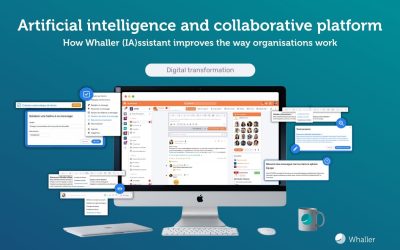
Artificial intelligence and collaborative platforms
How Whaller (IA)ssistant improves the way organisations work Artificial intelligence is gradually becoming part of the digital tools used by organisations. However, in the professional world, the challenge goes far beyond simply having an AI capable of...
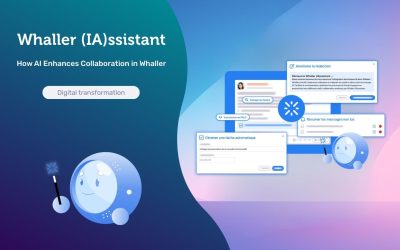
How AI Enhances Collaboration in Whaller
Collaborative platforms have become essential to the day-to-day running of organisations. Yet with the ever-growing volume of discussions, documents and notifications, maintaining a clear overview can be a real challenge. The integration of artificial intelligence...
The MCP Server Simply Explained
Connecting AI to Your Collaborative Platform Artificial intelligence becomes truly useful when it can interact with an organisation's working tools. That is precisely the purpose of the MCP server (Model Context Protocol) integrated into Whaller. This...